General Chemistry Concepts…
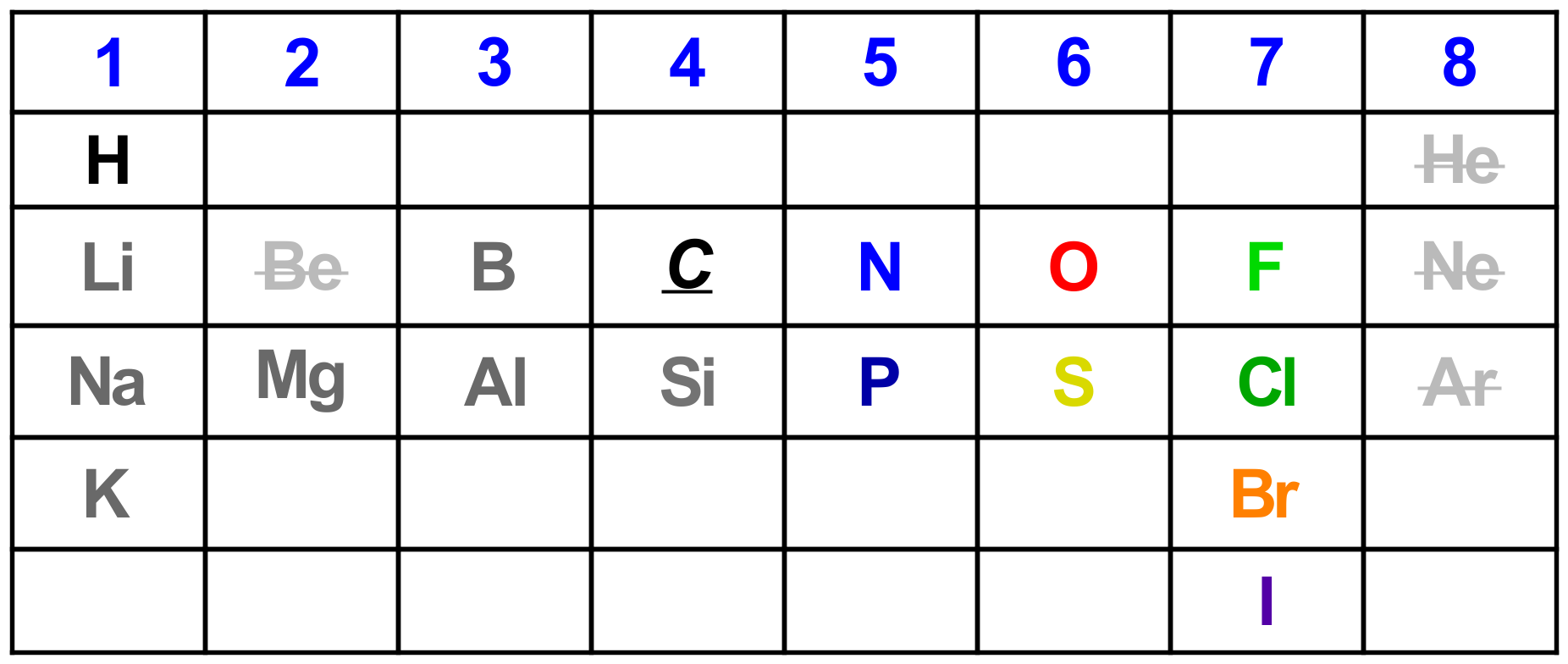
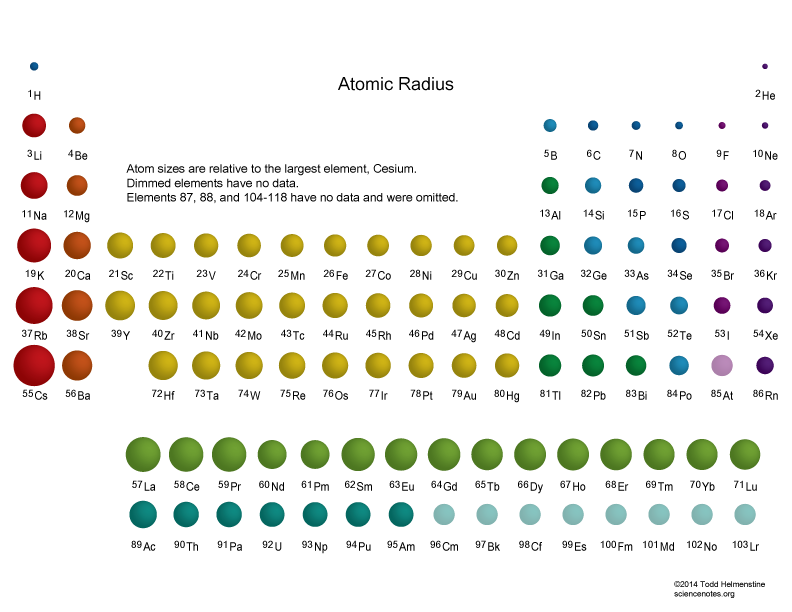
You need a good understanding of why the periodic table is organized the way it is; where the main atoms reside will be a huge help.
Knowing why the elements are organized in rows and groups based on their electronic structures lets you predict properties when those elements show up in Organic molecules.
- You don’t need every element; focus on the top of the table and the ones used early in Organic 1. Transition metals get added later as new reactions call for them.
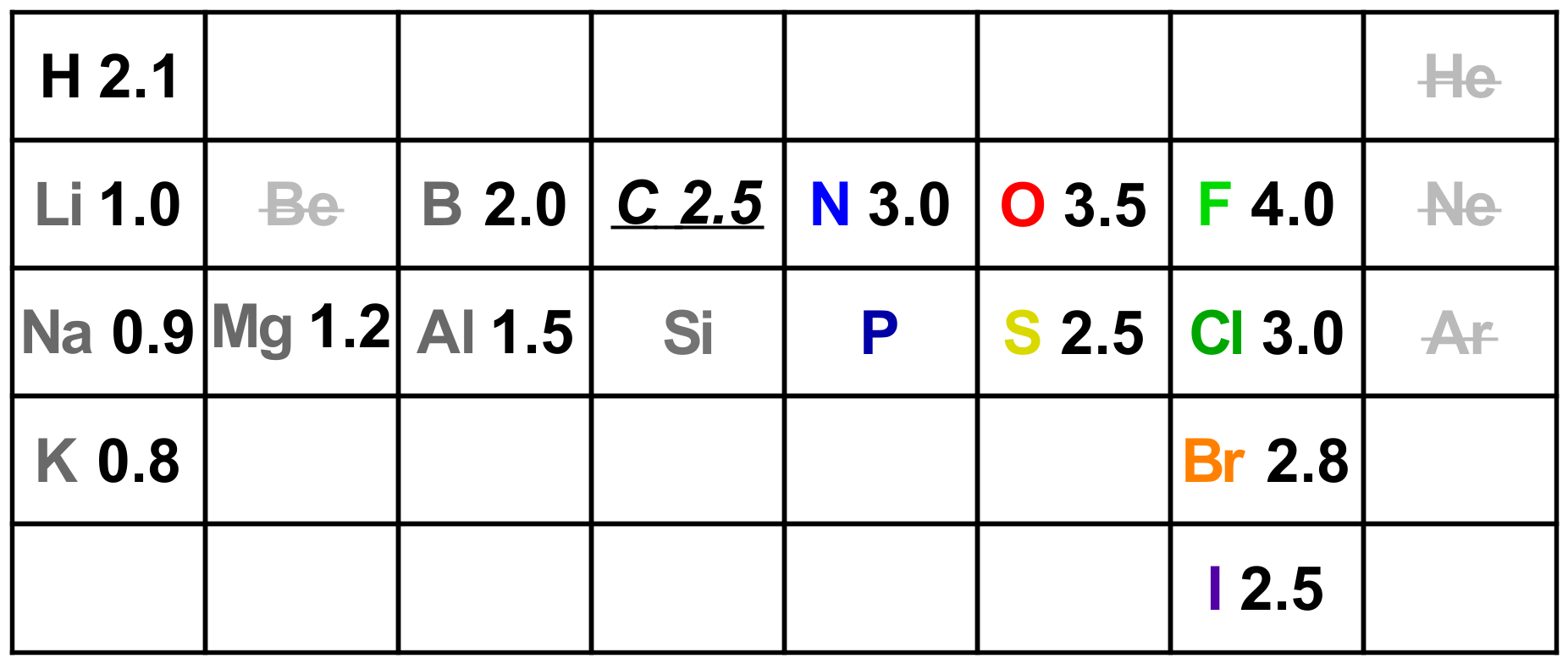
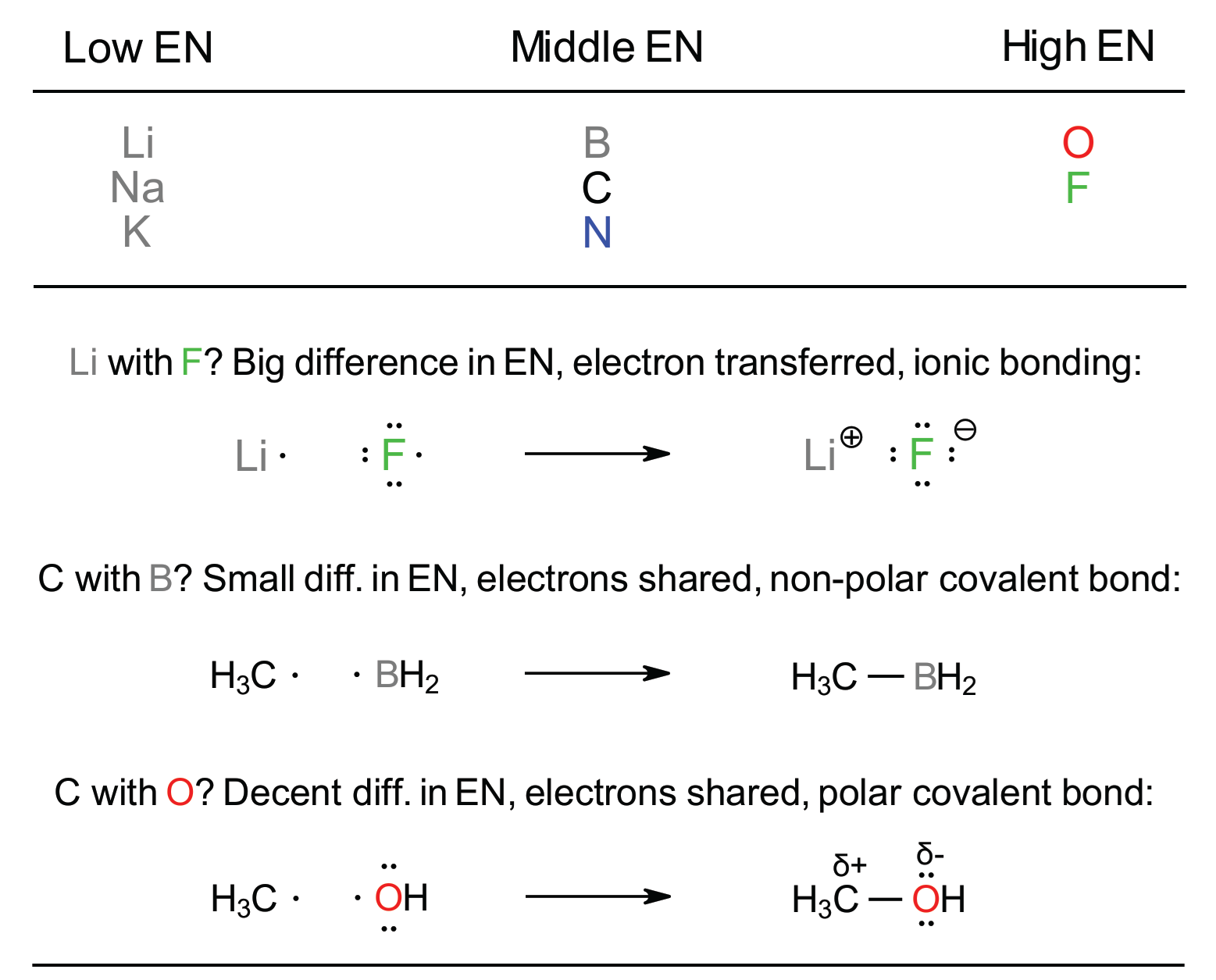
- Carbon sits in the middle of this abbreviated table with a "middle" electronegativity (2.5). Elements to its left are less electronegative; those to the right are more so; this dictates the bonds formed.
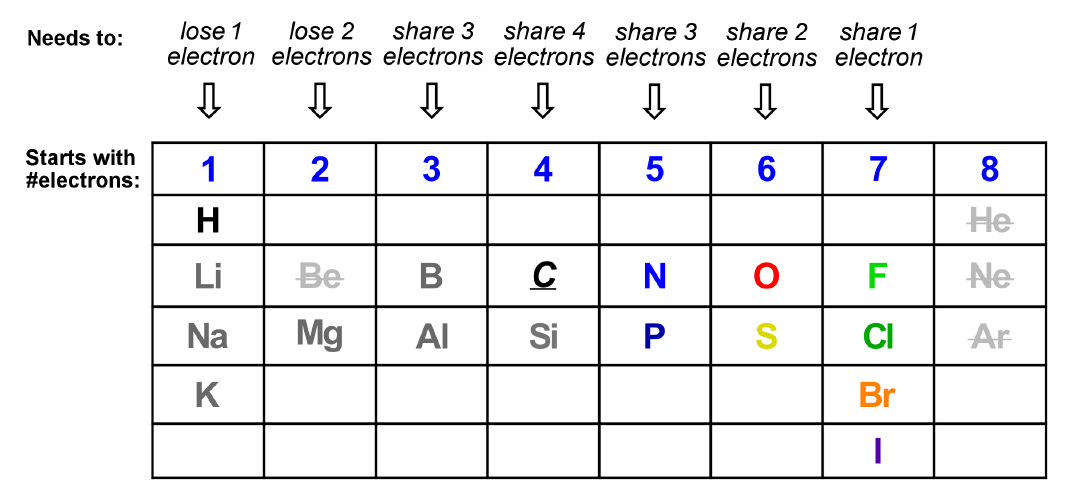
- Metals on the left give away electrons to form ionic bonds, those in the middle share, and those on the right accept or share electrons to form ionic or covalent bonds.
…are also Organic Concepts
Just because the course name changes, the basics don't; the same ideas carry into Biochemistry and Physical Chemistry too.
Just because the course name changes, the basics don’t; same goes if you move on to Biochemistry and/or Physical Chemistry later. Don’t come into Organic cold; build on what you already know.
Familiar Acid-Base Chemistry
Consider the reaction between HCl and NaOH, studied extensively in General Chemistry; a starting point for Organic reactions and mechanisms.
The products are NaCl (salt) and water; heat is given off, so the reaction is exothermic; the products are more stable than the reactants. Everyone starting Organic has run this reaction at least once in General Chemistry lab.

In Organic Chemistry we dig deeper and ask why this reaction occurs, why it’s exothermic, and how to describe it in terms of bonds formed and broken.



Expanding to Organic Acids & Bases
Decide which starting material is the acid, which is the base, which bonds form and break, and which mechanism arrows apply.
We have to decide which starting material is the acid, which is the base, which bonds form and break, which side is preferred, and which mechanism arrows apply. It gets easier with practice; the molecule with the metal is usually the base, since the atom next to it is negative and electron-rich. Here the alcohol is the acid and sodium amide (NaNH₂) the base.

