Approaching Mechanism
Knowing the basics of electronegativity, bond strengths, acids & bases, pKa values, pH, stereochemistry, and regiochemistry will help to break complex problems down to manageable ideas and processes.
Complexity
The Helicopter View
If you’ve ever driven into a big city such as New York (or seen Manhattan from the Staten Island ferry like in this image) what you see is a collection of structures of different heights, shapes, and sizes. This is a 2-dimensional view of a very complex entity (part of NYC) that does not give any idea of what’s behind the front buildings and how everything in the city is connected.

This is how students often see mechanism; a bunch of unrelated structures and pathways that they have to memorize in order to pass the Organic sequence. This task is made more manageable with a little organization of the ideas that are picked up in the Organic 1 course. We want to see the aerial “helicopter view” of the city/subject (below) and see how streets connect blocks and individual neighbourhoods in surprisingly simple ways.

Click on each heading below to open text and audio on each topic.
The Basics
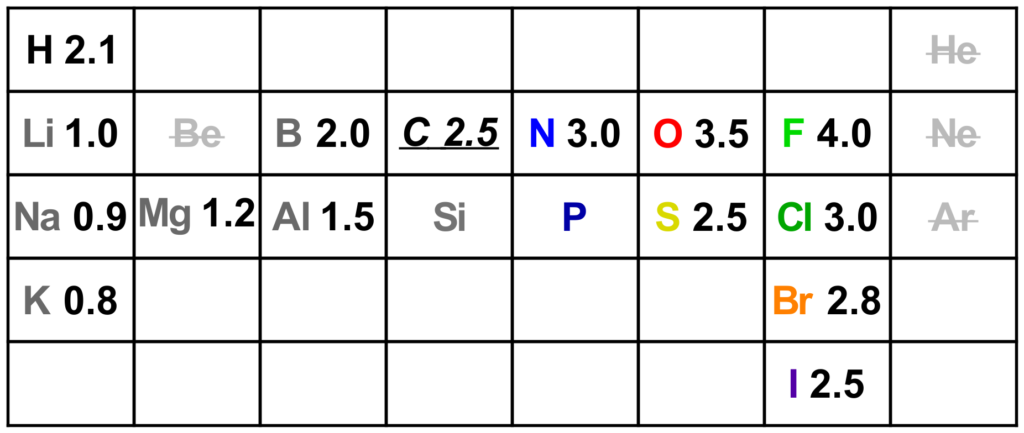
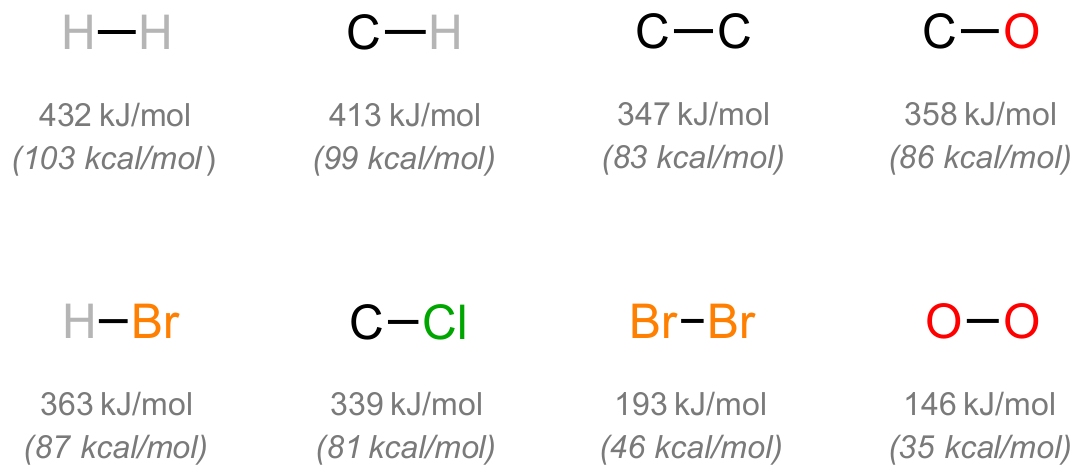
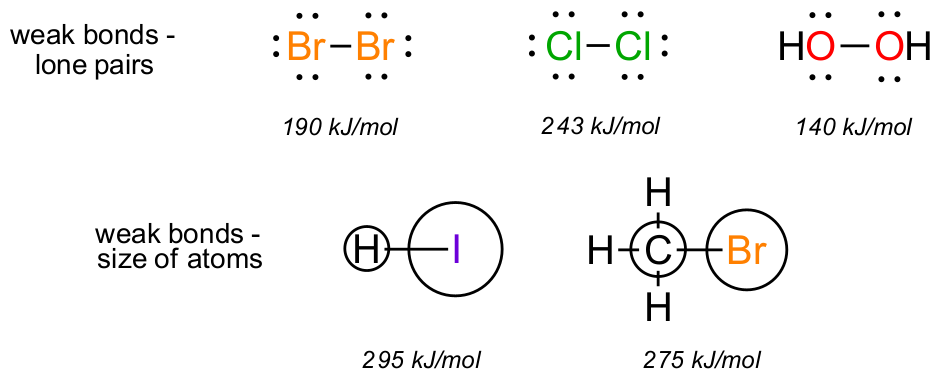
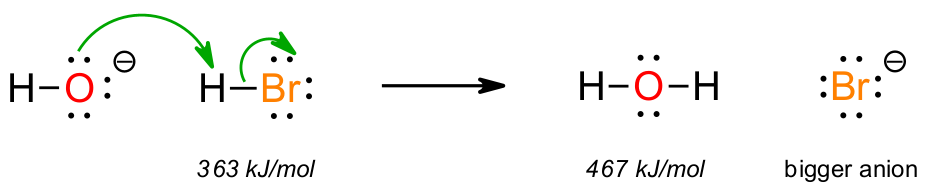
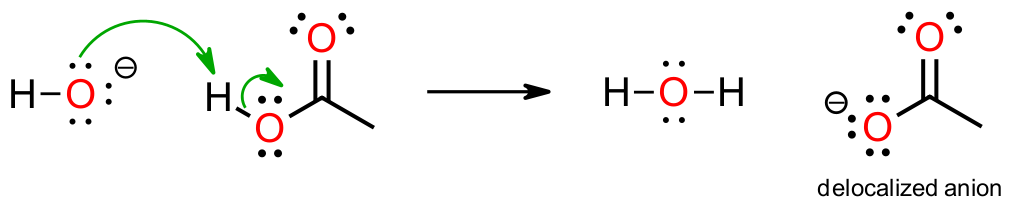
We need to know about basic topics such as Electronegativity and Bonding, which then leads to an appreciation of Bond Strength and how to spot weak bonds that are likely to be broken in a mechanism.
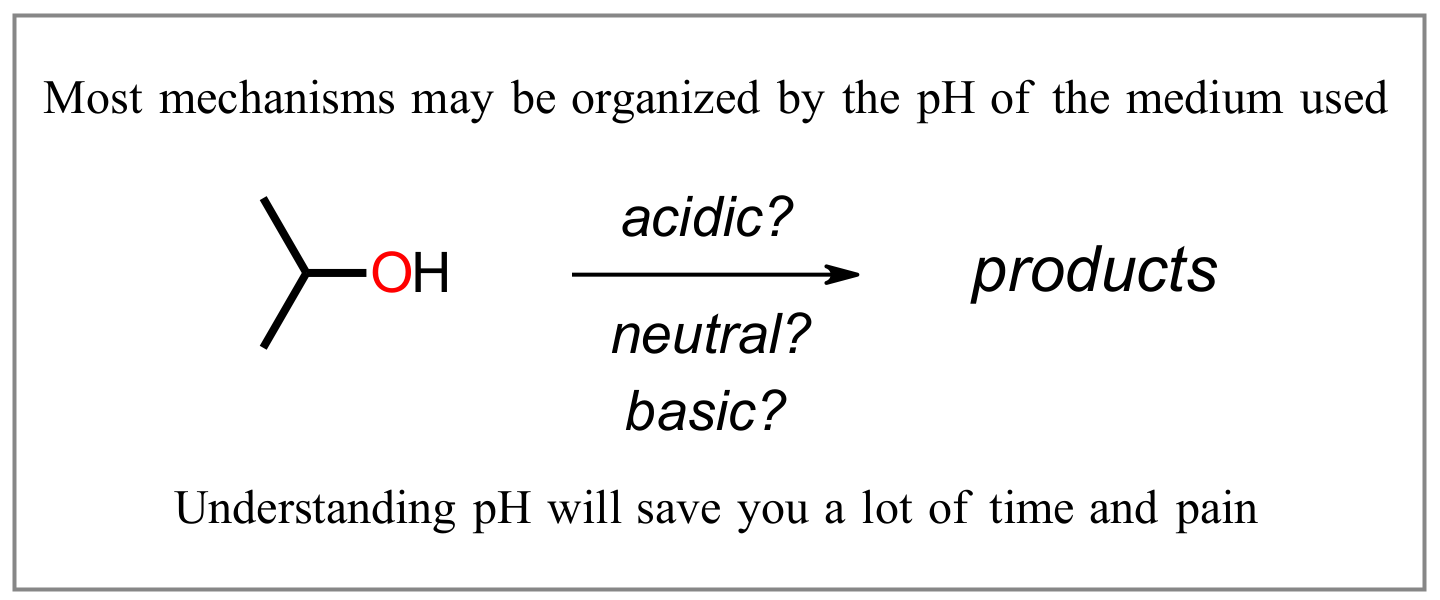
Understanding Acids and Bases and the pH of the reaction medium will be key. This dictates what is allowed and present in a reaction and what is not.
Being comfortable with where charge prefers to be (negative in anions, positive in carbocations) will help to explain a lot about intermediate structures and product outcomes.
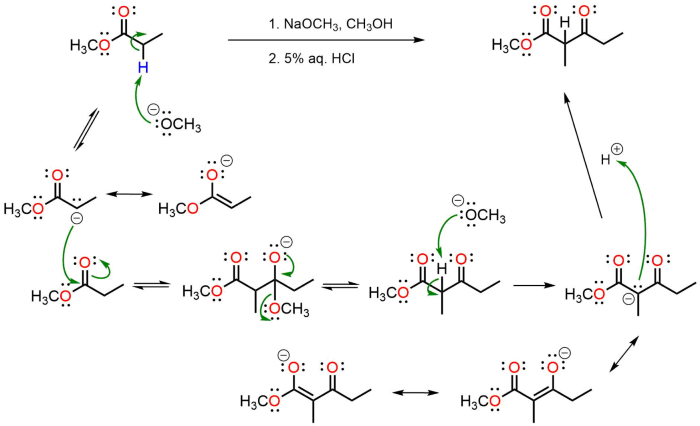
If we are solid on these basics and know that only a limited number of things can happen as bonds form and break, the bigger mechanisms such as the Claisen condensation shown here become much more manageable.